How Often Should You Clean Your Dryer Vent?
At least once a year is the baseline. How household size, pets and vent length change the interval, with a simple guide for Louisville homes.
"How often?" is one of the most common dryer vent questions we hear. The honest answer has two parts: there's a widely used baseline, and then there's your household. A couple who runs a few loads a week and a family of six with sports uniforms and pets aren't putting the same amount of lint through the vent.
Here's the baseline, what pushes the interval shorter and a simple guide by household and vent length.
The baseline: at least once a year
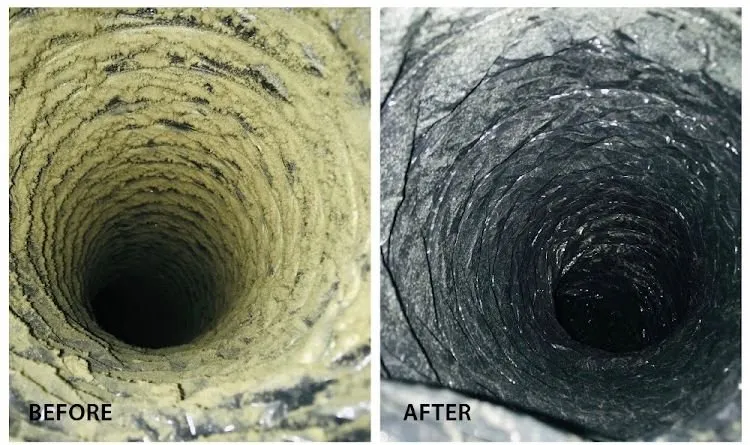
Fire safety guidance from the NFPA, published by the U.S. Department of Energy, recommends cleaning lint out of the vent pipe once a year, or more often if clothes are taking longer than normal to dry. That's a sensible starting point for most Louisville homes.
It's also worth separating three different jobs, because they run on very different schedules:
- The lint screen: every load. The U.S. Fire Administration says to clean it before or after each load, and never run the dryer without it.
- Behind and around the dryer: every few months. Lint collects on the floor, behind the machine and around the connection.
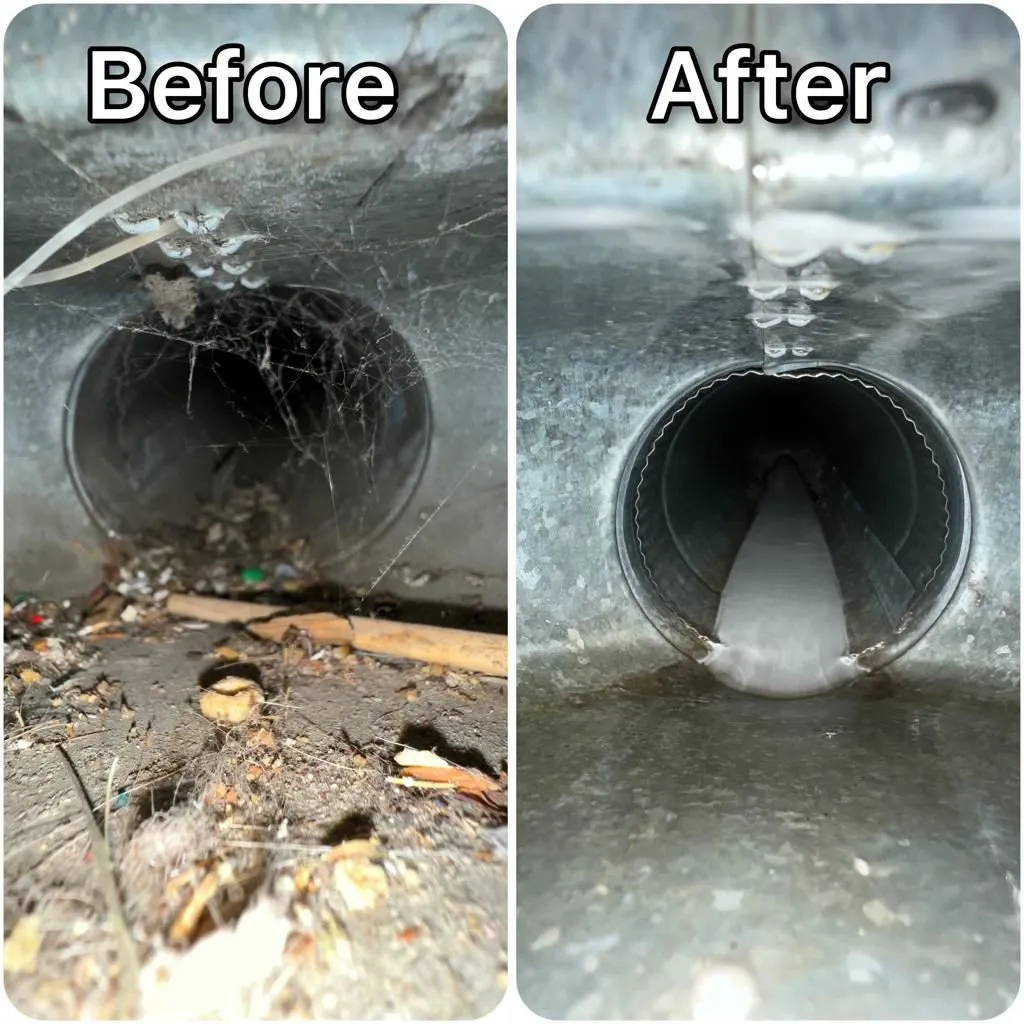
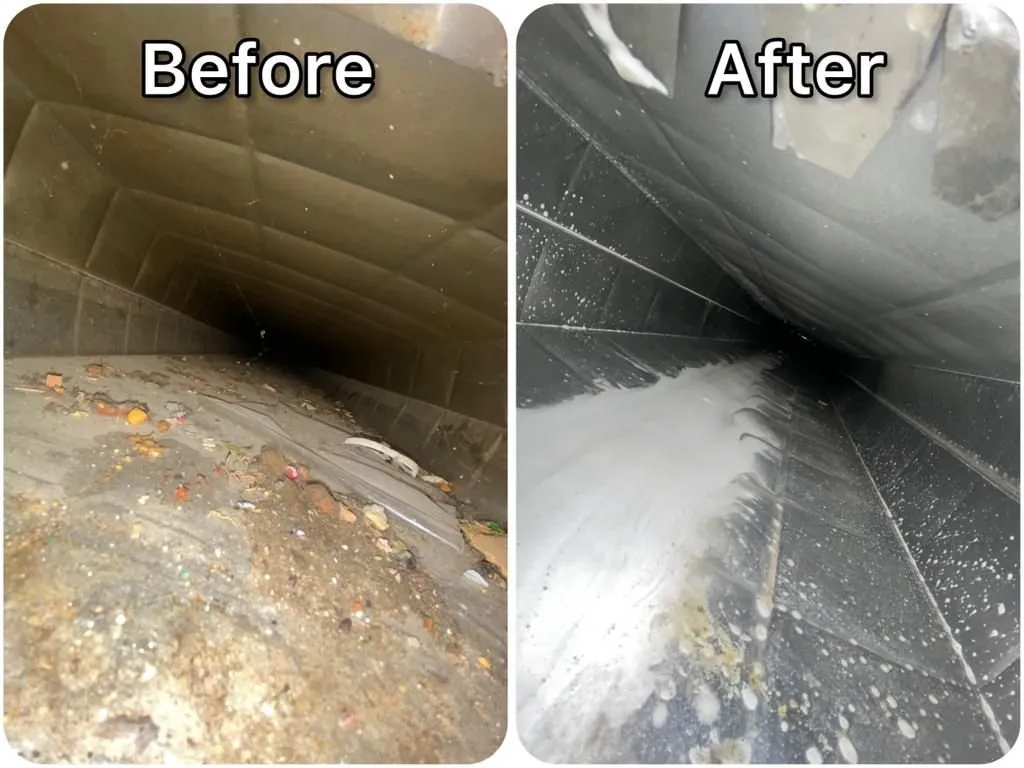
- The vent duct to the outside: at least once a year, or sooner depending on the factors below.
What makes the interval shorter
Some households should plan on checking more often than once a year. The most common reasons:
- Lots of laundry. Large households, daily loads, or a lot of towels and bedding put more lint into the duct.
- Pets. Pet hair on clothes and blankets ends up in the dryer, and then in the vent.
- A long run or many bends. The USFA notes that long runs and lots of turns slow airflow, which gives lint more chance to settle. Dryers on an upper floor or in the middle of the house often have longer routes outside.
- Plastic or foil duct behind the dryer. The USFA does not recommend these. Their ridges catch lint and they crush easily. Metal duct is the recommended material.
- A roof termination. Roof vents can be harder to check and can collect debris from above.
- A flap that sticks. Lint collects faster when the outside flap doesn't open fully.
If two or three of these apply, consider having the vent looked at more often than the yearly baseline.
A simple guide by household and vent
Use this as a starting point, not a rule. It's our practical reading of the yearly baseline above, adjusted for the factors that add lint or slow airflow.
| Household | Vent run | When to have the vent cleaned |
|---|---|---|
| One or two people, a few loads a week | Short, straight run to an outside wall | Once a year |
| Family with kids or pets, most days of laundry | Short run | Once a year, plus a mid-year look at the outside flap |
| Large household, daily loads or lots of towels and bedding | Any length | More often than once a year |
| Any household | Long run, several bends, a roof termination or an upper-floor laundry | More often than once a year |
If you're not sure how long your vent is, a dryer against an outside wall is usually a short run. A dryer in the middle of the house or upstairs usually isn't.
When not to wait for the calendar
The schedule only covers routine cleaning. If your dryer starts taking longer to dry, gets unusually hot or shows a "check vent" message, don't wait for the next date. Our post on dryer vent fire warning signs covers what to watch for. If you ever smell burning while the dryer runs, stop using it until it's checked.
What you can check yourself
Between cleanings, a quick check takes a few minutes:
- Pull the dryer out a little and make sure the duct behind it isn't crushed or kinked.
- Vacuum around and under the dryer.
- Go outside while the dryer runs and confirm the flap opens and air is moving.
- Clear anything around the outside vent, like plants, snow or stored items.
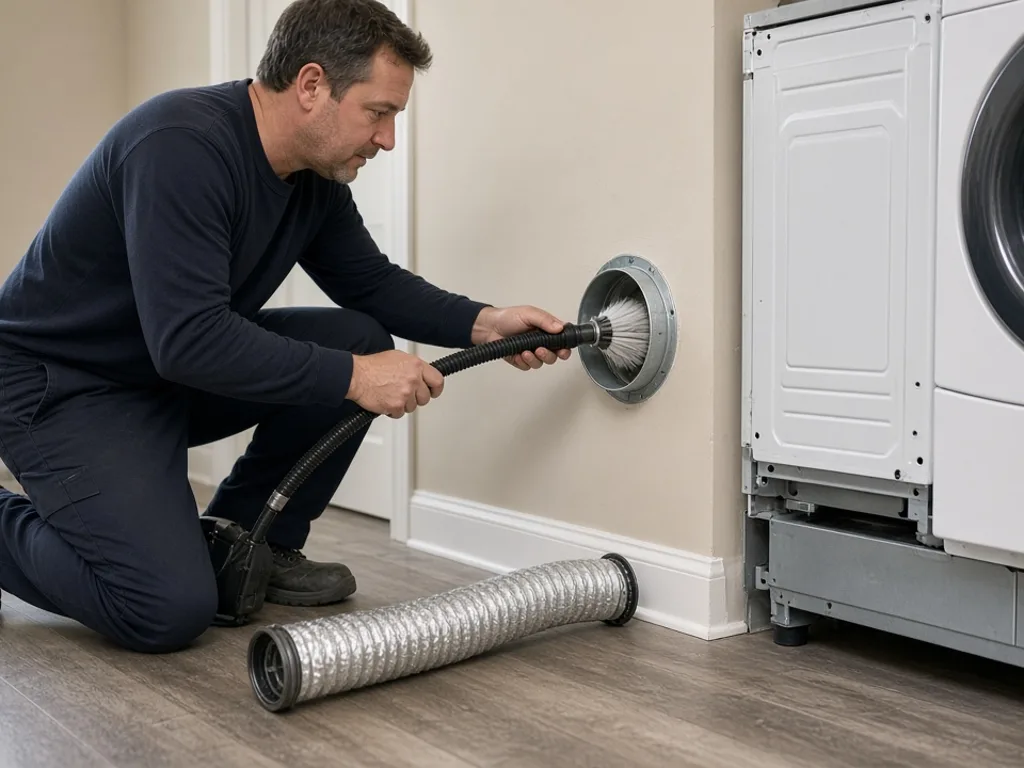
What you can't easily do is clean the full length of the duct inside the wall or ceiling. That's where a professional cleaning comes in.
What a professional cleaning includes
Our dryer vent cleaning is $99 for up to 10 feet of vent, plus $15 for each additional foot. The inspection is included. We clean the run from the dryer connection through to the exterior hood and check that the outside flap opens and closes properly. Prices are listed on our pricing page.
If you're wondering whether a DIY brush kit is enough, our post on cleaning a dryer vent yourself vs. hiring a pro covers the trade-offs.
Our service areas page lists the towns we cover around Louisville.
If it's been more than a year, or your dryer is slowing down, request a free estimate from American Air Duct Cleaning of Louisville.
Sources
- Clothes Dryer Fire Safety, U.S. Fire Administration, accessed October 22, 2026
- Clothes Dryer Fires in Residential Buildings (2008-2010), Topical Fire Report Series Vol. 13, Issue 7, U.S. Fire Administration, August 2012
- Clothes Dryer & Washing Machine Safety, NFPA, published by the U.S. Department of Energy, accessed October 22, 2026